Local hunters can play a vital role in bridging the hunger gap by providing a steady source of nutritious, high-quality protein to communities in need. Across the United States, food insecurity affects millions of individuals, including children, seniors, and families who struggle to put sufficient meals on the table. While traditional food assistance programs like food banks and soup kitchens remain critical, integrating donated wild game meat can expand both the quantity and nutritional value of available food. Hunters, particularly those harvesting abundant species, are uniquely positioned to help address this pressing issue.
Easily Accessible Access To Sustainable Meat
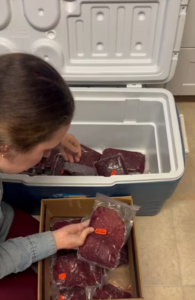 One of the most accessible sources of meat in certain regions is deer, which is plentiful in many states and widely hunted. Venison is lean, rich in protein, and lower in fat compared to many conventional meats, making it ideal for families needing nutritious options. In states like Nevada, hunters also have the opportunity to harvest antelope (pronghorn), which is abundant in certain parts of the state and provides a similar nutritional profile to deer. Programs that facilitate donations of antelope NV can ensure that excess game meat reaches local food banks or hunger relief organizations rather than going unused. These donations not only reduce waste but also contribute to sustainable wildlife management by balancing populations with available habitat.
Hunters often bring a wealth of knowledge and skill that allows them to process game meat safely and efficiently. Many states have established guidelines for field dressing, butchering, and refrigeration, which are essential for maintaining the quality and safety of donated meat. By participating in organized donation programs, hunters can ensure that meat is prepared according to health standards, making it suitable for distribution to families, shelters, and community kitchens. Partnerships between hunting associations, local food pantries, and nonprofit organizations have been highly successful in turning what might otherwise be a personal harvest into a community resource.
Beyond Protein
 Beyond simply providing protein, wild game donations can diversify the options available to those facing food insecurity. Traditional food banks often distribute canned goods, pasta, or boxed meals, which can lack fresh protein sources. Including venison, antelope NV, and other wild game in food assistance programs introduces variety, improves nutritional balance, and can even inspire families to experiment with new recipes. Programs across the country have demonstrated that recipients appreciate the quality of game meat and benefit from its nutrient-dense properties.
Tangible Connection To Local Resources
Hunters’ contributions also foster a sense of community involvement and responsibility. By donating deer, antelope, and other game, they help create a tangible connection between local natural resources and the people who rely on them. States like Nevada have established nonprofit organizations specifically designed to connect hunters with food banks, ensuring that every donated antelope NV or deer is tracked, processed, and distributed efficiently. This model demonstrates how local wildlife, combined with human effort and planning, can make a measurable impact on reducing hunger.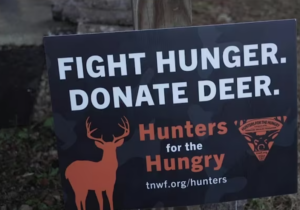
Local hunters are uniquely positioned to help bridge the hunger gap by providing abundant, nutritious wild game meat. Deer and antelope NV offer lean, protein-rich options that can significantly enhance food assistance programs, reduce waste, and support sustainable wildlife management. Through organized donation efforts, hunters can transform their harvests into a lifeline for families in need, helping to ensure that more people have access to healthy, high-quality meals while reinforcing the