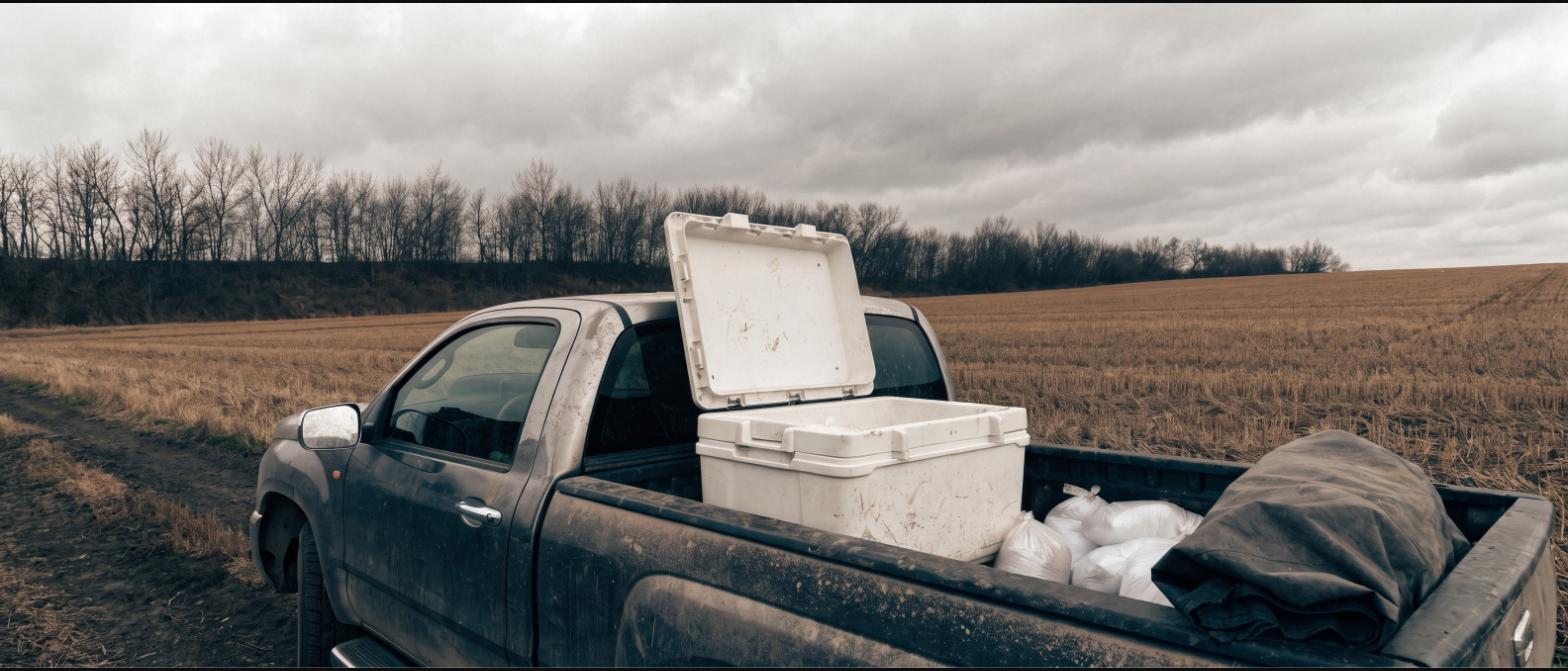
Most of the wild game that never reaches a food bank is not lost to paperwork or to a shortage of willing hunters. It is lost to temperature. A donation program can have a cooperating processor, a pantry ready to receive, and a hunter who genuinely wants to give the animal away, and still end up throwing meat out because it sat too long above 40°F between the field and the drop-off point.
The Gap Nobody Budgets For
Guidelines for field dressing and processing are well established, and most state programs publish them. What sits awkwardly between those two steps is the drive. An early-season hunt in 60-degree weather, a two-hour trip to the nearest participating processor, and a quartered deer riding loose in a truck bed is the exact scenario that ends with a refused donation.
The fix is unglamorous: enough cooler capacity to hold quarters on ice at a stable temperature for as long as the trip actually takes, including the wait at the drop-off. For a whole deer broken down, that generally means 100 quarts or more — which is often two large coolers rather than one.
What Volunteer Programs Can Realistically Buy
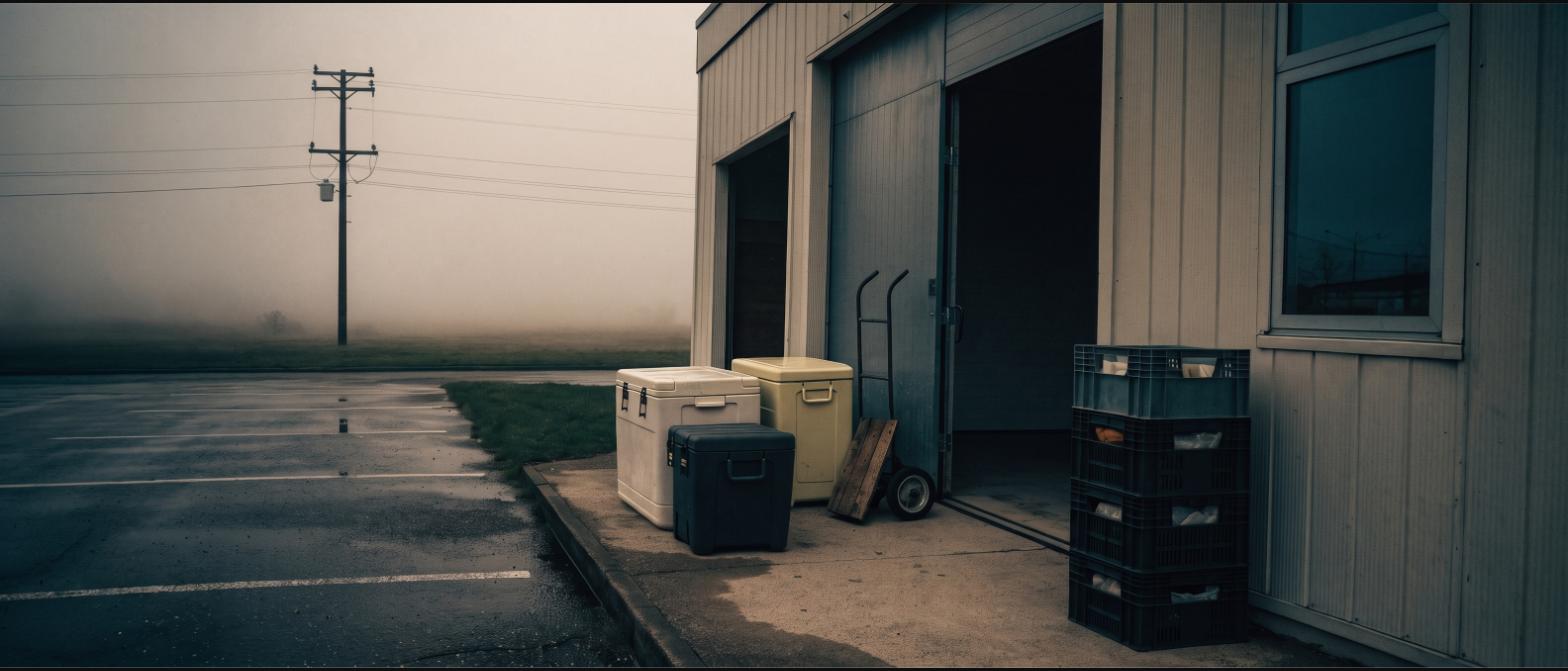
This is where the cost problem shows up. Premium rotomolded coolers run $250 to $400 each, and a program that wants ten of them staged at check stations is looking at a number that will not survive a board meeting.
The encouraging news is that the gap in ice retention between premium and budget coolers is much narrower than the gap in price. Independent testing of the sub-$100 category has repeatedly found models holding ice for five to seven days under summer conditions, which is far beyond anything a donation transfer requires. If you are outfitting volunteers rather than yourself, it is worth reading through a comparison of the best inexpensive cooler options before assuming you need the expensive ones.

Watch: $300 High End Cooler Vs $100 Budget Cooler — Is There Really A Difference? (YouTube)
Where Cheap Coolers Do Fall Short
Durability and sealing, mainly. Thinner-walled coolers scuff and crack sooner, and most budget models leak when tipped — which matters a great deal when the liquid in question is blood-tinged meltwater riding in somebody’s back seat. Programs that have run for a few seasons tend to specify a leakproof drain plug and a lid sturdy enough to sit on, then accept whatever else the price allows.
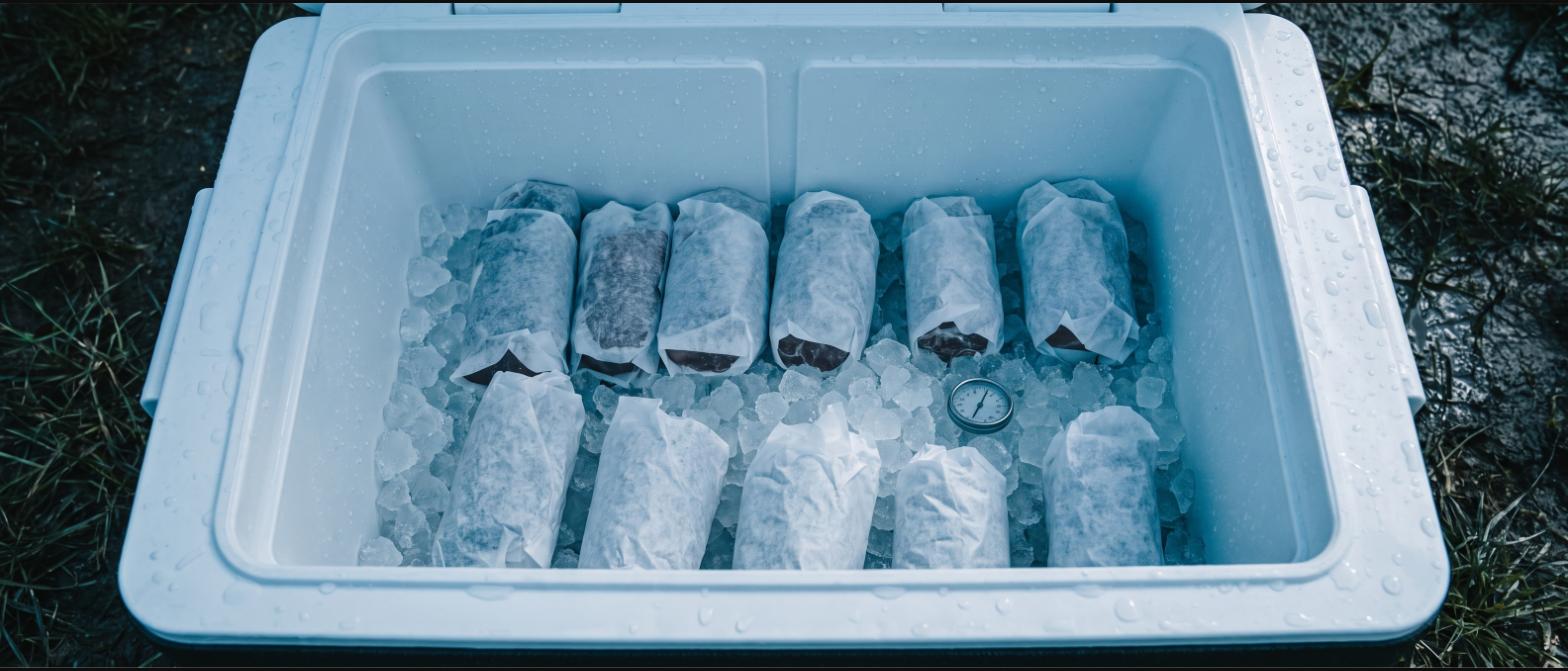
Two habits matter more than the cooler itself. Pre-chill it the night before with sacrificial ice, and pack it full — a cooler that is half empty warms far faster than one packed tight. Drop a cheap dial thermometer inside and record the reading at hand-off. That single number is what turns a well-meaning donation into one a pantry can legally accept.
Cold chain is the least discussed part of game donation and the easiest to fix. It costs a few hundred dollars per drop-off point, not a few thousand.